Care and Styling Essentials for Linen Throws: A Practical Guide for Home Comfort
A Vogue-inspired guide to caring for linen throws, elevating their natural texture in serene spaces, and imagining room-by-room styling that celebrates neutral palettes and tactile finesse.
Introduction: The Quiet Luxury of Linen Throws
Linen throws offer a whisper of elevated ease in interior life. Their breathability, durability, and naturally elegant texture make them a staple for rooms that aspire to calm, clutter-free sophistication. In this guide, we explore how to care for linen throws so their softness deepens with every wash, and how to style them across living rooms, bedrooms, and contemplative corners. The narrative around linen is one of lineage—enduring craftsmanship, European flax, and a philosophy of sustainable textiles that weaves coexistence with beauty.
From the caress of stonewashed linen to the subtle sheen of a breathable weave, linen throws are not merely accessories; they are a living texture that can anchor a color story, enrich a surface, and invite unwinding at the end of a long day. We’ll move through care basics, stain strategies, and then glide into styling from space to space—so you can curate a home that feels both timeless and utterly contemporary.
Understanding Linen Throws: Texture, Weight, and Seasonality
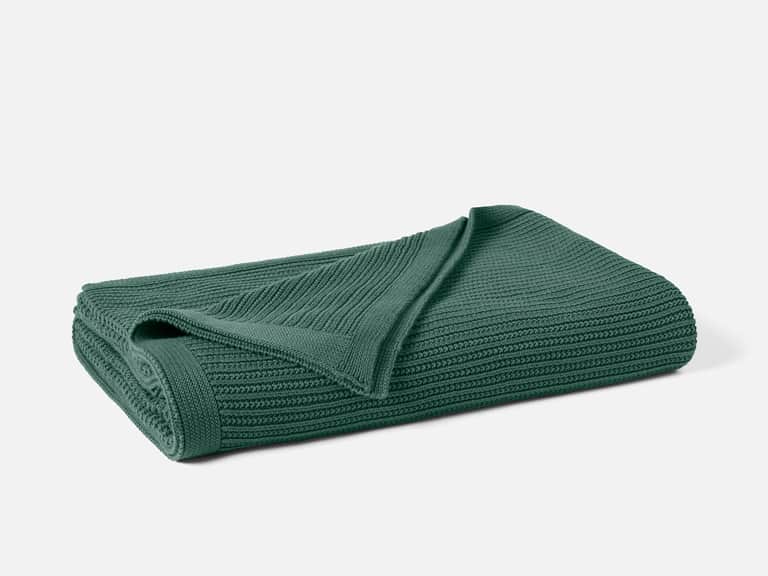
Linen’s distinct breathability and drape come from flax fibers that wick moisture and allow air to circulate. This natural fiber feels cool in summer and softly insulating in transitional seasons, especially when paired with the right weave and weight. When selecting a linen throw, consider weight and weave as you would a scarf for different climates: a lighter linen matelassé or gauze-like weave for warmer months, a medium-weight stonewashed or brushed finish for shoulder-season layering, and a heavier, open-knit option for a cozier winter moment.
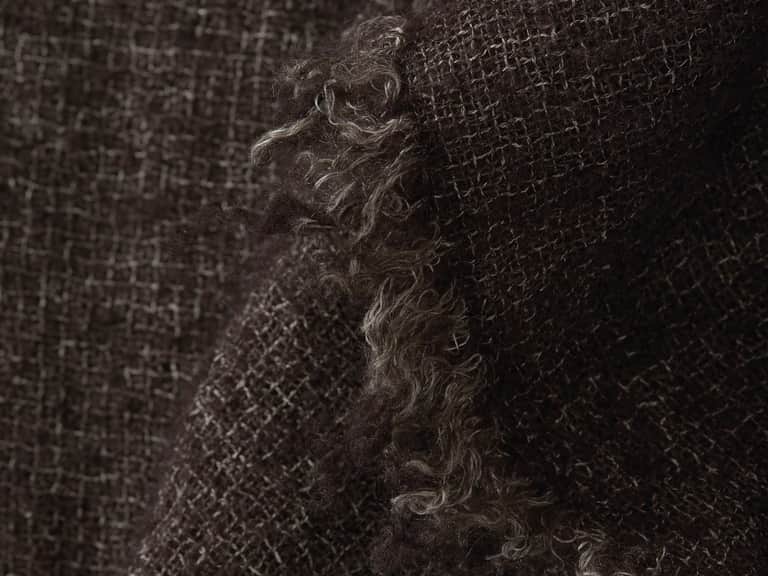
For a home that echoes natural aesthetics, linen throws pair beautifully with other neutral textiles—coarse weaves, smooth cottons, and wool accents—to create a layered, tactile tableau. The key is to celebrate texture: the irregularities of artisanal weaving, the subtle character of a hand-finished fringe, and the linen’s inherent sheen that catches soft light without shouting.
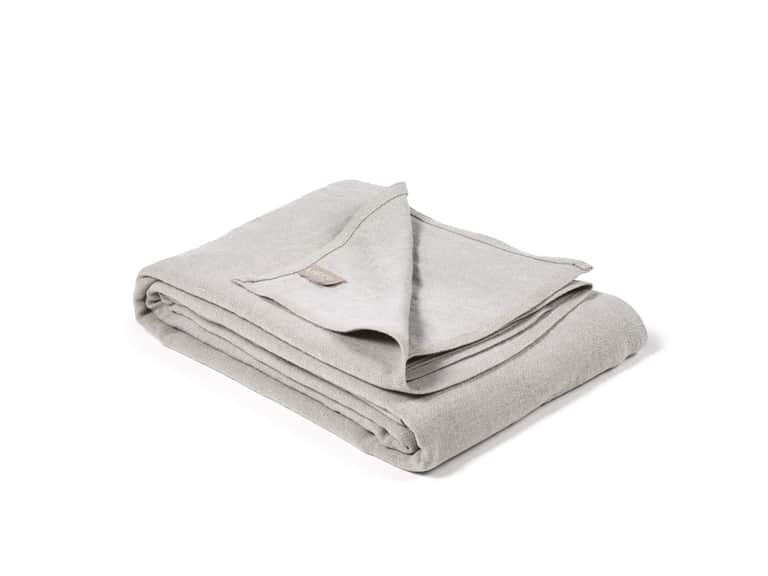
In the Linen Throws category, you’ll find a spectrum of textures—from stonewashed European linen that feels time-worn yet refined, to crisp, airy matelassé ruffles that offer a ripple of surface interest. The Hudson Blanket, for example, is 100% linen with a stonewashed finish, woven in Europe from European flax, delivering a breathable and refined hand. It exemplifies how natural fibers can be both luxurious and practical, offering a calm, enduring appeal in living spaces.
Care Basics: Washing, Stain Treatments, and Drying for Longevity
Care for linen begins with respect for its fiber. Linen responds well to gentle handling, cool to lukewarm water, and air or low-heat drying. The goal is to preserve softness, reduce shrinkage, and maintain the fabric’s natural texture. Always check garment or textile care labels; when in doubt, opt for a cold or gentle cycle and avoid aggressive detergents that strip natural oils or alter color.
Washing linen throws is a ritual of tenderness. Use a mild detergent and wash linen separately or with similar fibers to prevent pilling or abrasion. Avoid bleach, which can degrade fibers and dull the linen’s natural luster. If your linen throw is pre-washed or stonewashed, you may have a softer hand from the outset, but still handle with care to maintain the fabric’s texture and color depth over time.
Stain management is best approached promptly and softly. Blot—don’t rub—the affected area, then treat with a mild, fabric-safe stain remover or a gentle paste of baking soda and water. For stubborn stains, a repeat treatment and a light hand washing is often enough to restore the throw’s even texture. Remember: linen loves patience. A gentle approach preserves the fabric’s integrity and keeps the drape elegant.
Styling Ideas: Room-by-Room Guides to Integrating Linen Throws
A linen throw is a quiet anchor that can harmonize a room’s palette. Here are practical, room-by-room ideas to embed linen throws into your decor language gracefully.
- Living Room: Drape a linen throw over the back of a sofa to create a layered, inviting silhouette. Pair with a neutral palette—cream, stone, flax, and taupe. Introduce texture through a mix of woven cushions and a linen-blend rug. The goal is a cohesive, breathable ambience that invites lounging.
- Bedroom: At the foot of the bed, a linen throw can act as a soft transition between sheets and the rest of the room. Choose a lighter linen for warmer seasons and a mid-weight piece for cooler nights. A linen throw, gently spread, can be a focal point that completes a serene, spa-like aesthetic.
- Reading Nook: Create an intimate corner with a linen throw folded over a chair, a nearby lamp, and a small side table. The throw’s texture will catch the warm glow, turning a simple reading chair into a moment of tactile luxury.
- Accent Pairings: Coordinate linen throws with other natural fibers—rattan, wood, organic cotton—allowing the textures to converse rather than compete. The result is a balanced, modern interior that feels both considered and effortless.
Palette and Texture Harmonies
Neutral palettes—ivory, taupe, flax, and stone—offer a timeless canvas for linen throws. Introduce soft color through cushions or a small textile accent that picks up a base hue present in the room. The linen’s subtle sheen will interact beautifully with warm neutrals, creating a cohesive, refined aesthetic that feels curated rather than styled.
Product Spotlight: Hudson Blanket
The Hudson Blanket embodies linen’s dignified pragmatism. Crafted from 100 percent linen and finished with a stonewashed texture, it yields a full, refined hand while remaining breathable. This European-made fabric is woven from flax grown across Europe and represents a linen standard that is produced entirely in Europe—from field to fabric. Its lived-in softness invites daily use, while its restrained silhouette anchors a room with quiet luxury.
Care: Gentle machine wash in cool water or hand wash; line dry or tumble dry low; avoid harsh detergents and chlorine bleach to preserve color and texture. The stonewashed finish will soften with each wash, deepening the character of the weave.
Care Resources: Quick Reference Cheatsheets
Printable care cheatsheets are a helpful addition to any home library. Create one for linen care with steps for washing, stain treatment, and drying, along with a quick-lix on when to launder and what cycles to select for different linen weights. These quick-reference guides empower you to care for linen throws with confidence, ensuring longevity and beauty across seasons.
Linen Care Cheatsheet
A concise guide to washing temperatures, cycle selections, and drying recommendations to preserve softness and prevent shrinkage.
- Cold wash preferred
- Use mild detergent
- Avoid bleach
- Line dry or tumble dry low
Stain Treatment Quick Guide
Gentle pre-treatment for common stains, followed by a light wash. Blot, don’t rub; treat promptly for best results.
- Act quickly on spills
- Use a mild paste for stubborn stains
- Test any product on a hidden area
- Air dry to avoid setting stains
Editorial Notes: Three Key Figures in Linen's Story
Linen’s romance spans centuries, with voices that shaped its craft and care. Here are three pivotal figures from distinct eras who illuminate linen’s narrative—from fiber to fashion.
Diocletian of Linen (Ancient Origins)
Ancient artisans who first documented linen’s use in textile arts, tracing the fiber from flax to fabric as a symbol of purity and resilience.
Diocletian's era offered linen as a sturdy, breathable material that bridged daily life and ritual practice. The linen thread bound communities through warmth and seasonal textile needs, laying a foundation for the linen tradition that endures in today’s environmentally conscious fabrics.
Maria Antonelli (Renaissance of Weaving)
A figure associated with the revival of intricate loom work, social textiles, and early definitions of textile care practices in European workshops.
Antonelli’s workshops emphasized the virtue of durability and texture. Linen throws and fabrics evolved from utilitarian needs to decorative accents, guiding modern sensibilities toward sustainable, long-lasting textiles and careful stewardship of fibers.
Sophie Dupont (Contemporary Sustainability)
A modern advocate for European flax supply chains, responsible production, and transparent linen storytelling.
Dupont’s leadership underscores the current textile ethos: fibers with a clear lineage from field to finished product, and a commitment to regenerative farming and circular design principles that elevate linen throws beyond aesthetics to ethical care and environmental stewardship.
Closing: A Linen-Inspired Way of Living
Linen throws carry a quiet luxury—soft texture, breathability, and a sense of timeless simplicity. When cared for with gentleness and styled with intention, they become more than a textile; they become a practice of living well: calm, clean, and exquisitely comfortable. The Hudson Blanket is a modern exemplar: 100 percent linen, crafted in Europe, and finished with a stonewashed look that invites daily use without sacrificing sophistication. Let linen be your ally in creating rooms that feel serene, restorative, and elegantly understated.
As you invite linen throws into your home, you invite a tradition of care, craft, and character. In the quiet moments of unfolding a throw over a chair, you are participating in a long lineage of texture, tactility, and timeless design.
Published on September 30, 2026. This feature embraces the editorial rhythm of Vogue—refined, insightful, and unconstrained by trend-only narratives.