Comforters are insulating bedding layers designed to add warmth and improve comfort during sleep. Their materials, weight, and construction affect how they feel across seasons and sleeping preferences. Understanding these characteristics helps distinguish everyday comforters from specialized options, including wool comforters intended to balance insulation with breathability.
Wool comforters use natural fibers that can help regulate temperature by retaining warmth while allowing moisture vapor to disperse. This combination may suit sleepers who want insulation without the heavier feel of some dense bedding. Fill weight and outer fabric influence drape, airflow, and overall warmth, so product specifications are useful for comparison.
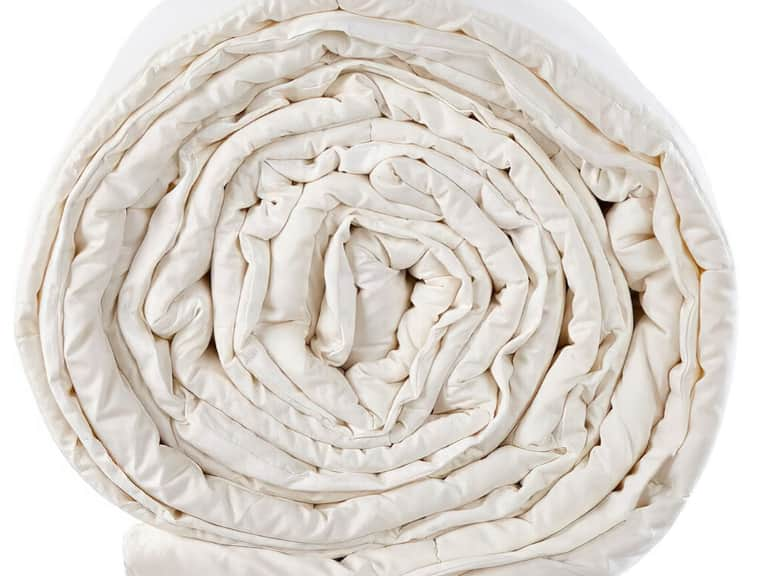
The Sleep and Beyond myComforter Light is a lightweight comforter option for people who prefer moderate insulation and a less bulky layer. Its wool filling provides natural warmth, while its cotton cover offers a familiar fabric surface. The lighter construction can make it practical for warmer rooms or for layering with other bedding.
In a nursery, a comforter’s weight, materials, and care requirements deserve particular attention. Adult-sized comforters are not appropriate for infant sleep spaces; safe-sleep guidance recommends keeping loose bedding out of an infant’s crib. For older children, wool comforters may be considered as part of age-appropriate bedding, with warmth selected for room conditions.
Comforters belong to the broader bedding category, while clothing and accessories represent separate textile uses and should not be confused with sleep products. When evaluating options such as the myComforter Light, consider fiber content, dimensions, warmth level, and maintenance instructions. These details clarify function and help match a comforter to a household’s comfort and care needs.
 Bedding